
Alabama67 visited the Hoover Public Library on Sunday, September 6, 2026.
The following books promoting transgender ideology were found in the Children’s, Juvenile, and Young Adults sections.
Book Pictures
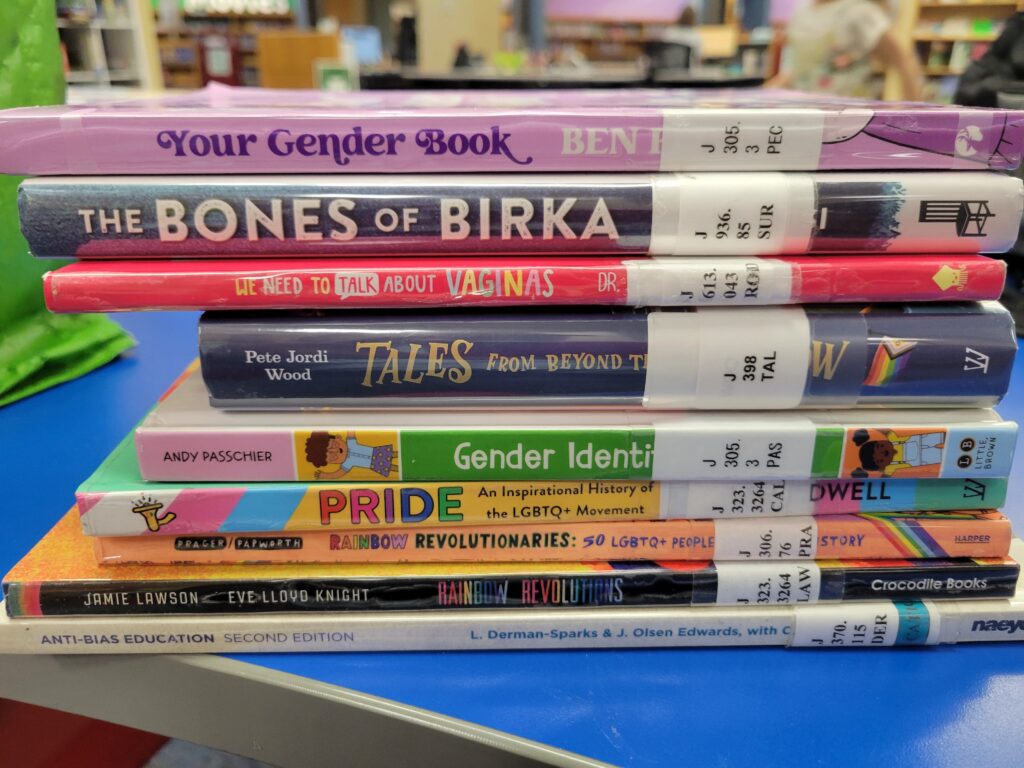
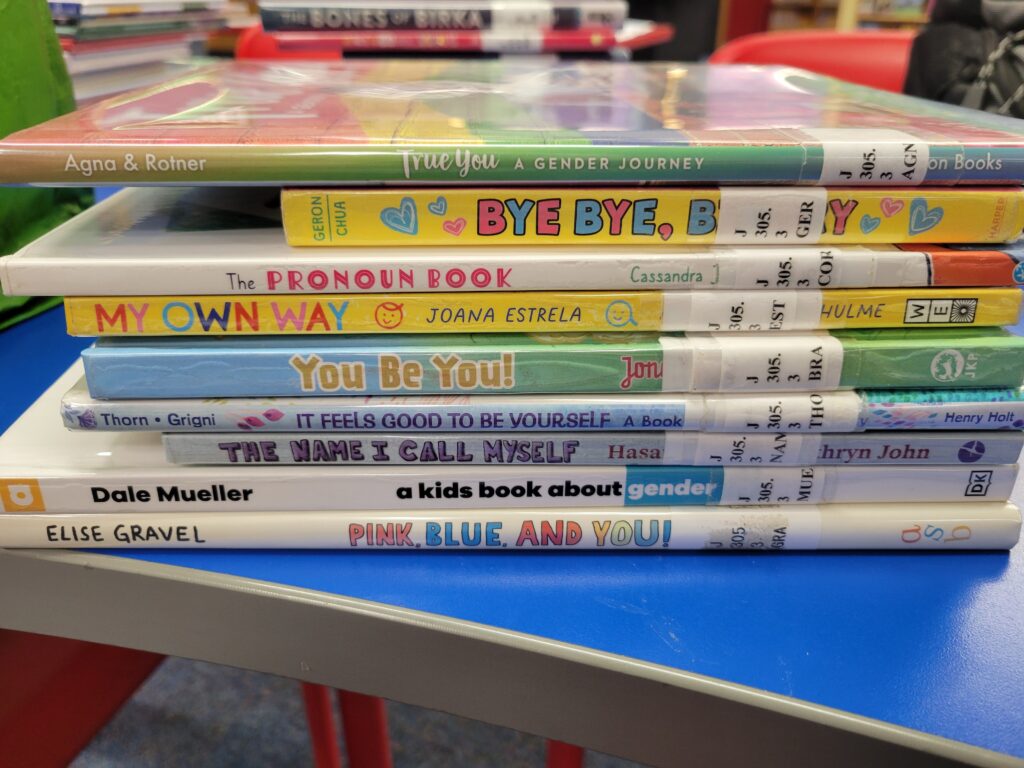
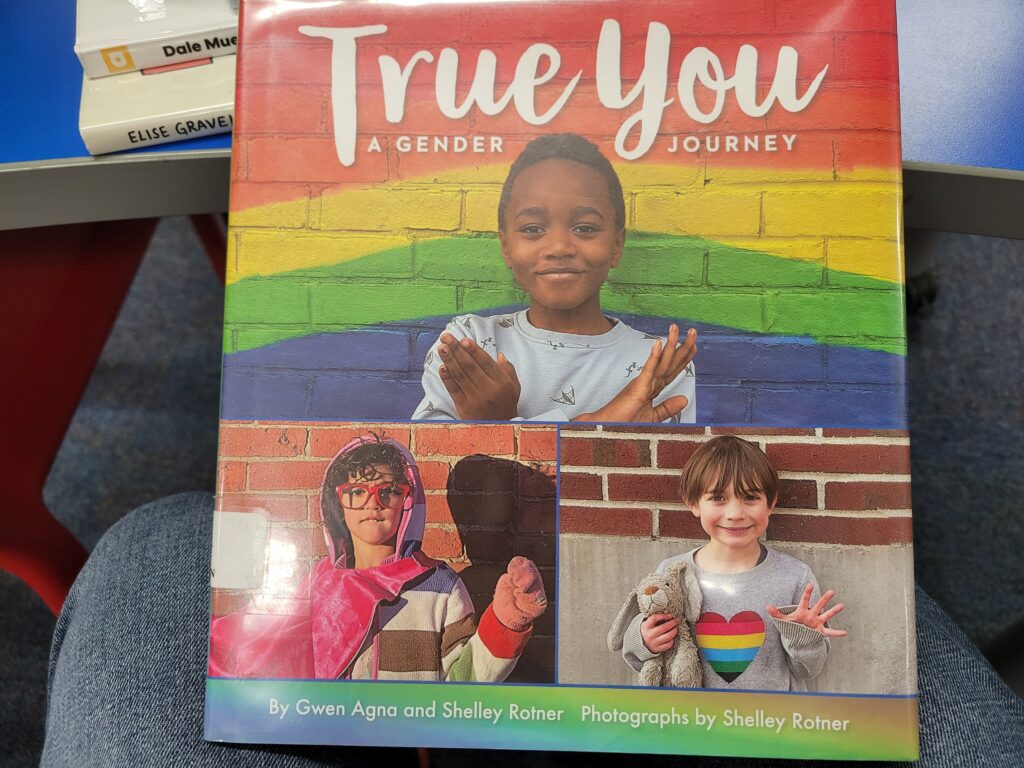
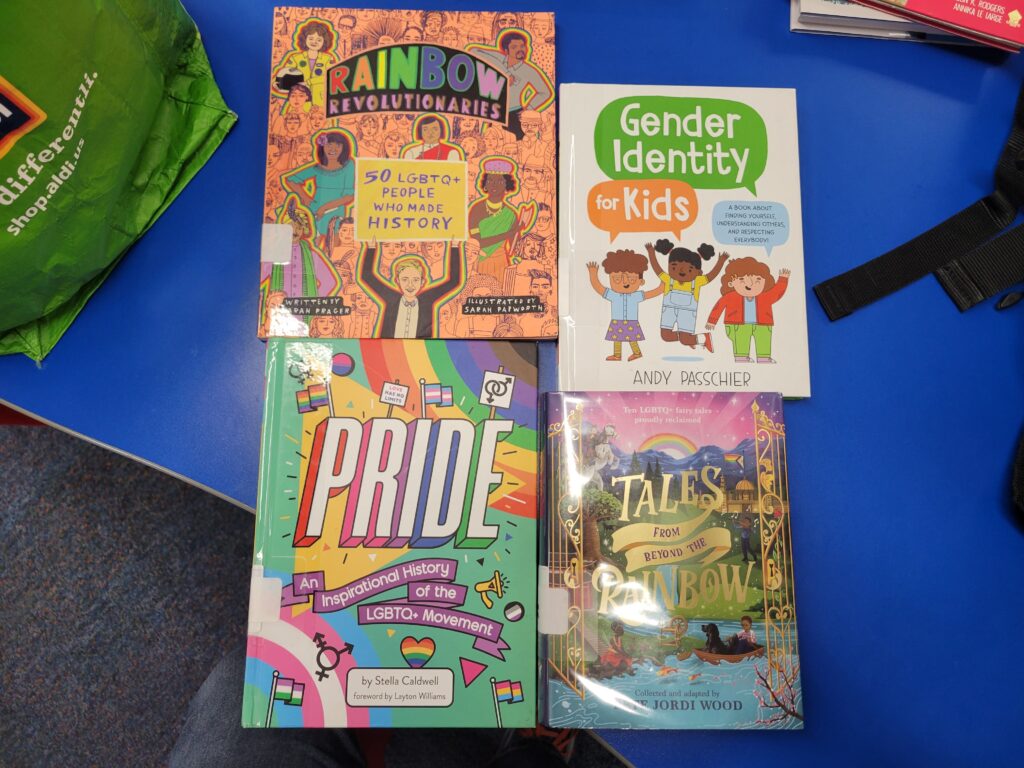
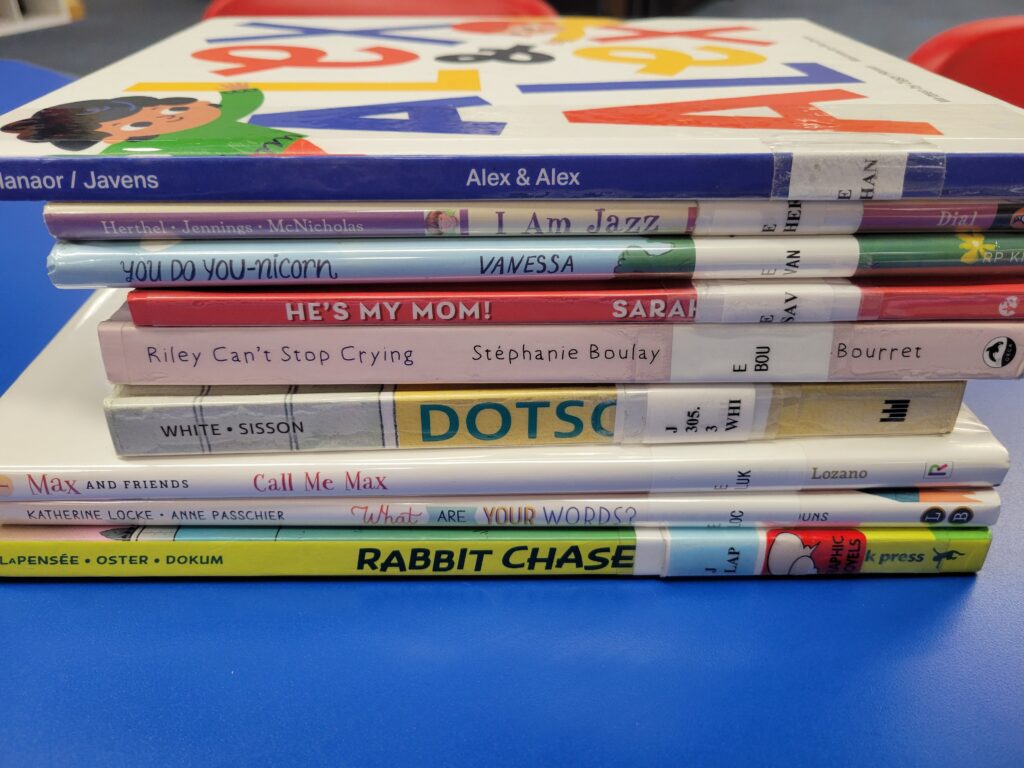
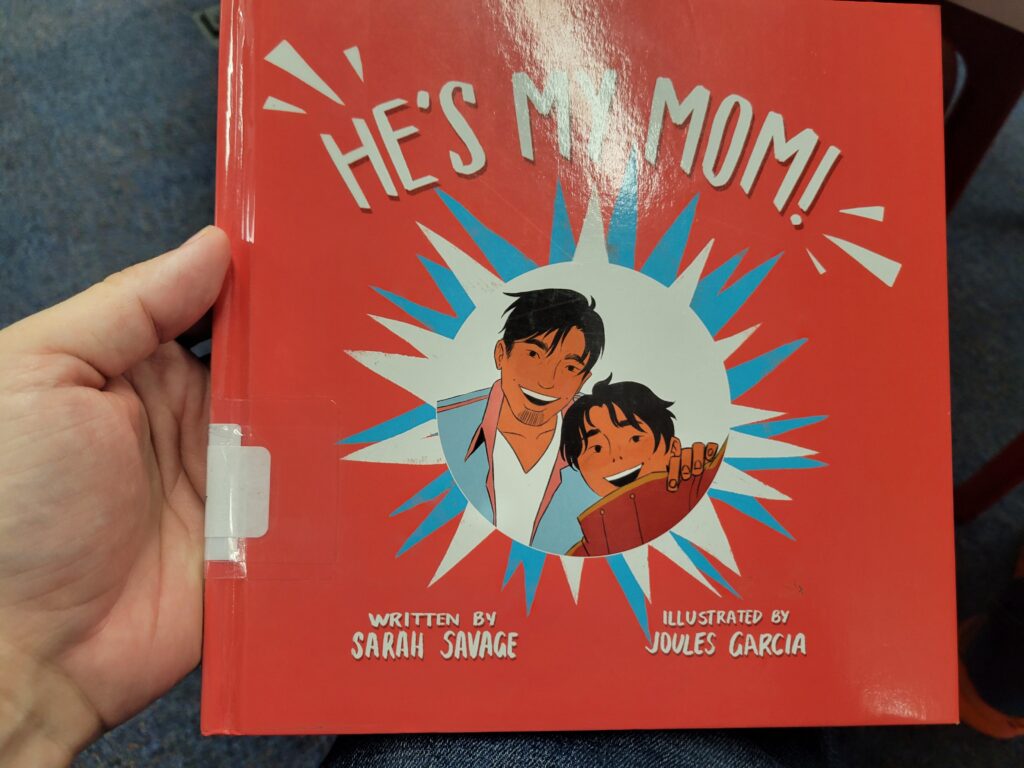
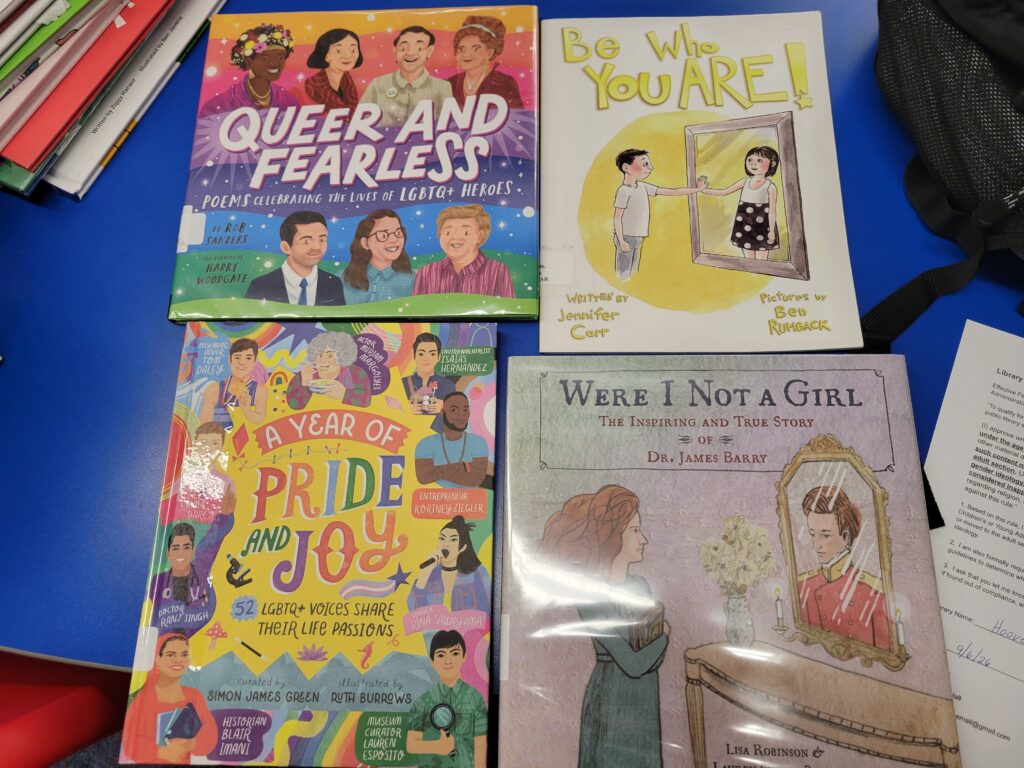
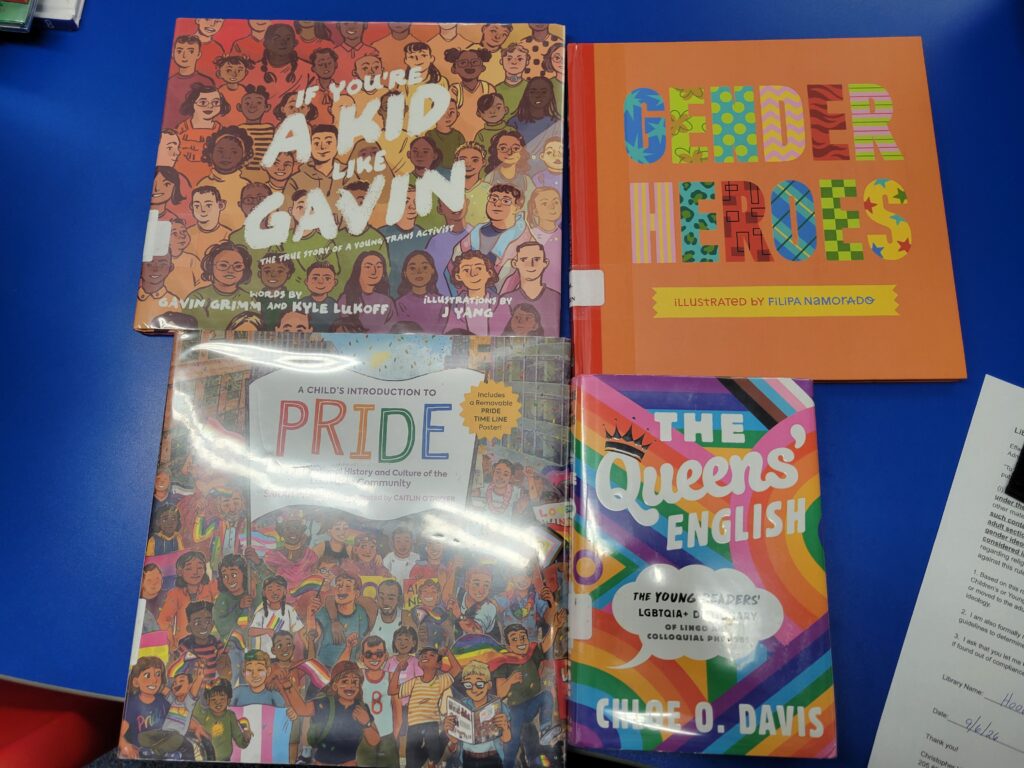
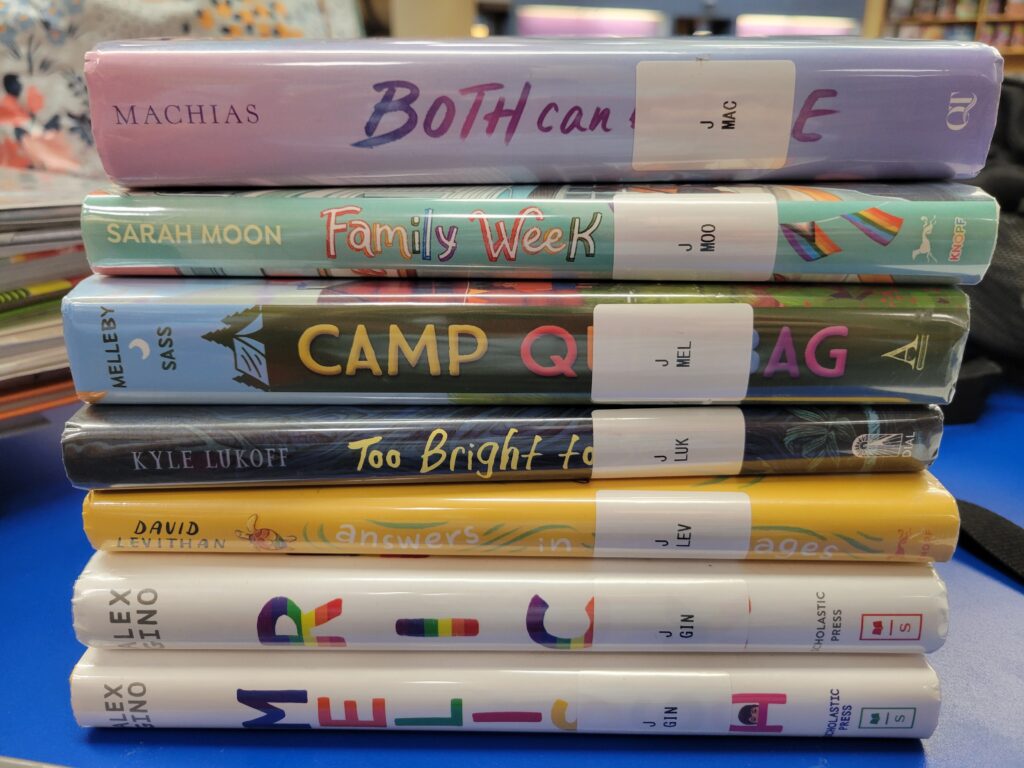
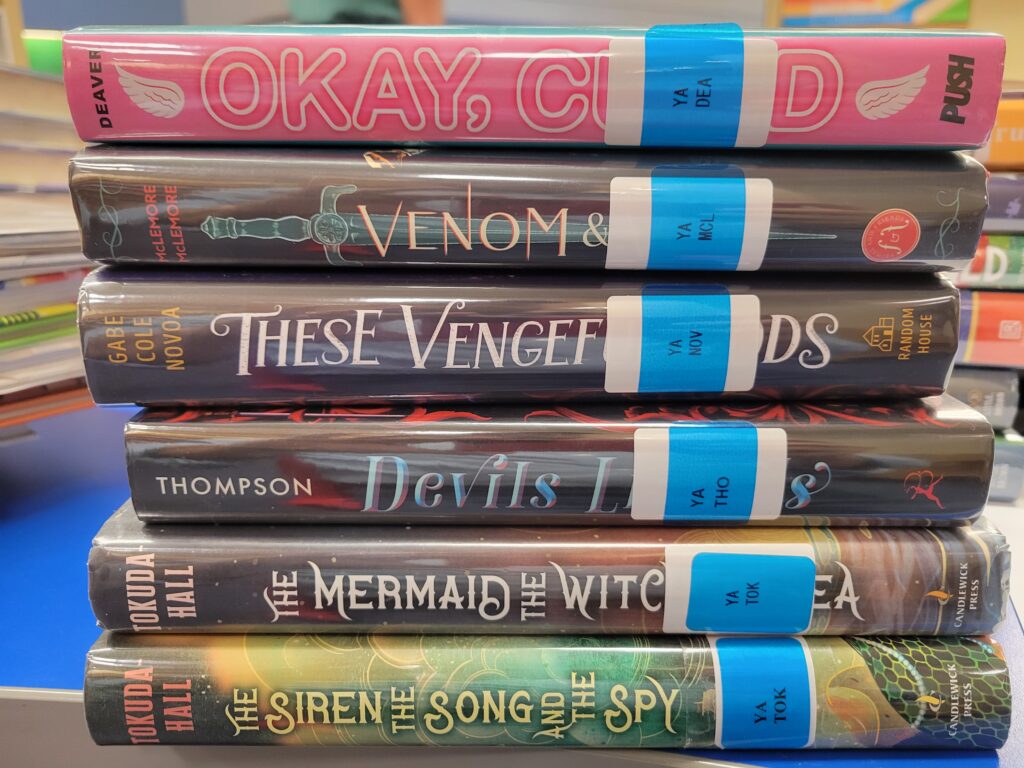
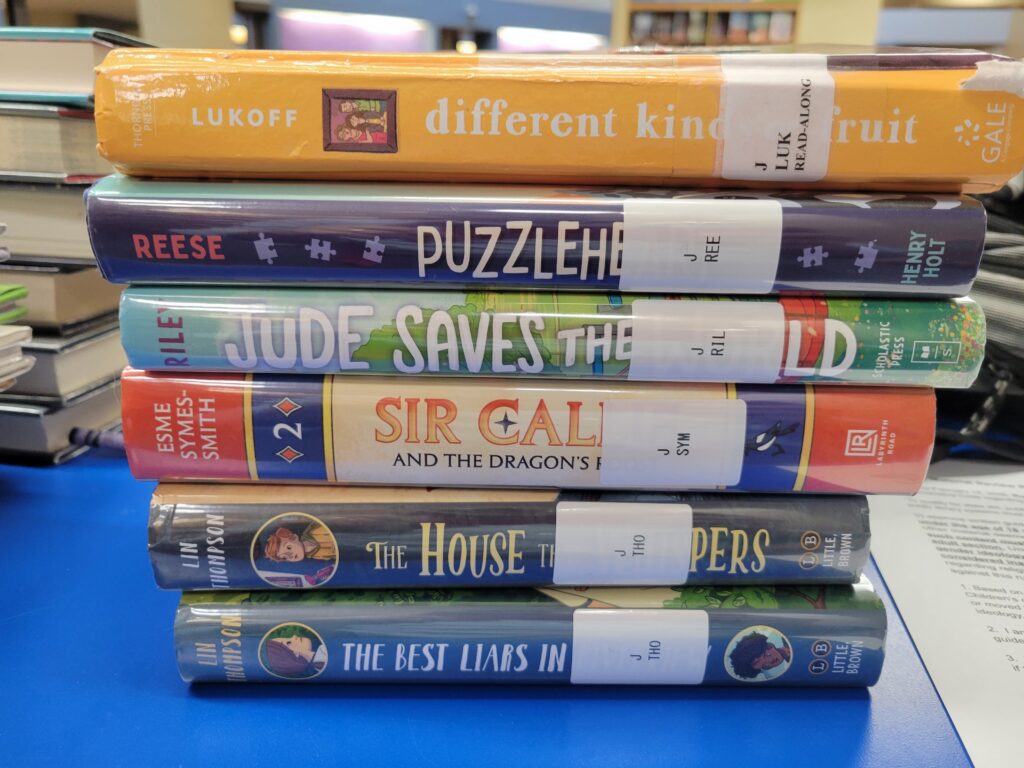
Book Titles and Descriptions
| A Child’s Introduction to Pride: The Inspirational History and Culture of the LGBTQIA+ Community – Sarah Prager A sweeping introduction to LGBTQIA+ history brings children through important people, events, struggles, and victories, from Harvey Milk and Marsha P. Johnson to figures in sports, music, literature, dance, and science. Along the way, readers encounter concepts including gender, identity, pronouns, coming out, and allyship, placing transgender-related material within a broader LGBTQIA+ history. A Kids Book About Gender – Dale Mueller Rather than prescribing what boys or girls should be, the book invites children to think about what gender means and how it fits into personal identity. Young readers are encouraged to question assumptions, explore their own understanding, and consider authenticity. Its description focuses on gender exploration rather than specifically teaching transgender identity or transition. A Year of Pride and Joy: LGBTQ+ Voices Share Their Life Passions – Simon James Green Fifty-two LGBTQIA+ people contribute one entry for each week of the year, sharing hobbies, interests, talents, and everyday sources of happiness. The collection includes well-known figures such as Tom Daley, Stephen Fry, Rina Sawayama, and Miriam Margolyes. Transgender identity is part of the broader LGBTQIA+ representation, but the publisher does not present gender identity as the book’s specific subject. Alex & Alex – Ziggy Hanaor Two children named Alex enjoy playing and dressing up, yet differ in personality and preferences. The publisher describes the book as entirely gender-neutral and specifically says it challenges binary identities at an age when those concepts are taking root. Its treatment of nonbinary identity is woven into an otherwise playful story about friendship and reconciliation. Answers in the Pages – David Levithan A school controversy erupts when parents discover that a book assigned to students features two boys who may fall in love. Donovan becomes caught between his mother’s campaign to remove the book and his own belief that it should remain available. The publisher explicitly frames the story around coming out, gay characters, and opposition to book banning. Anti-Bias Education for Young Children and Ourselves – Louise Derman-Sparks, Julie Olsen Edwards, and Catherine M. Goins Designed for educators rather than children, this training guide examines how prejudice develops and how adults can help young children recognize and challenge bias. Its discussion of identity and diversity includes gender identity and gender diversity, with guidance for addressing gender-related differences and helping children understand identities that differ from traditional expectations. Be Who You Are – Jennifer Carr Nick has always felt like a girl despite being born male. When Nick tells the family that he no longer wants to be treated or dressed as a boy, his parents support her, eventually helping her choose the name Hope and use female pronouns. The story follows a family’s acceptance of a child’s transgender identity and gender expression. Both Can Be True – Jules Machias Ash experiences gender fluidity, cycling between feeling like a girl and feeling like a boy. The story follows Ash’s friendship with Daniel as Ash struggles with how others perceive them and whether they can be accepted without fitting into conventional gender categories. The publisher description explicitly identifies identity and gender fluidity as central themes. Bye Bye, Binary – Eric Geron A baby refuses to be boxed in by traditional expectations about what boys and girls should like. Bright illustrations invite children to choose their own toys, colors, clothes, and activities without worrying about gender stereotypes. The book directly challenges the gender binary and gender-nonconforming expectations, although it does not specifically teach transgender identity or transition. Camp QUILTBAG – Maeve Melleby & A.J. Sass Twelve-year-old Abigail attends Camp QUILTBAG, an inclusive retreat for queer and trans kids, hoping to find community. Kai, thirteen, uses e/em/eir pronouns and has been sent to camp after an incident prompts Kai’s parents to seek a place where e can feel like emself. The story explores queer identities, pronouns, and belonging. Devils Like Us – L.T. Thompson Cas, Remy, and Finn are queer teenagers drawn into a supernatural mystery involving a secret society in nineteenth-century Massachusetts. Cas initially lives as a girl but experiences persistent discomfort with that identity and eventually comes out as a trans boy, cutting his hair and adopting he/him pronouns. Thompson describes Cas’s transition as central to his story. Different Kinds of Fruit – Kyle Lukoff Annabelle’s sixth-grade world changes when she befriends a nonbinary classmate and begins questioning the assumptions surrounding gender. Her father also comes out as transgender, prompting Annabelle to reconsider what she understands about gender and inclusion. The publisher describes the story as an exploration of gender issues, privilege, and joining the wider LGBTQ+ community. Dotson: My Journey Growing Up Transgender – Grayson Lee White and Stephanie Roth Sisson Grayson, who knows from childhood that he is a boy despite being identified as a girl, recounts growing up transgender. His memoir covers gender expression, coming out, choosing a new name, navigating bathrooms, receiving a gender-affirming haircut, and eventually beginning hormone blockers. The publisher describes his journey toward becoming his “best and truest self.” Family Week – Sarah Moon Four friends reunite at an annual gathering of LGBTQ+ families in Provincetown. Mac is a transgender boy whose family is sending him to a progressive boarding school where transgender students can play soccer. His impending departure and the changing dynamics of his family and friends form part of the story’s coming-of-age focus. Gender Heroes: 25 Amazing Transgender, Non-Binary and Genderqueer Trailblazers from Past and Present! – Twenty-five transgender, non-binary, and genderqueer people are presented as role models for children, spanning art, sports, fashion, music, politics, civil rights, and media. Among those profiled are Laverne Cox, Elliott Page, Marsha P. Johnson, Gavin Grimm, and Alok Vaid-Menon. A glossary also introduces young readers to terminology surrounding gender identity and expression. He’s My Mom!: A Story for Children Who Have a Transgender Parent Or Relative – Sarah Savage Benjamin’s mother, David, has transitioned from female to male. When a relative accidentally misgenders David, Benjamin explains why the mistake is hurtful and confidently discusses his mother’s transition, pronouns, dysphoria, and gender identity. The publisher specifically presents it as a book for young children with a transgender parent or relative, emphasizing acceptance and respect. I Am Jazz – Jessica Herthel & Jazz Jennings Based on Jazz Jennings’ childhood experience, Jazz explains that although she was identified as a boy, she knew from an early age that she was a girl. The publisher presents her story as an introduction to transgender identity for children, emphasizing her understanding of herself, her family’s support, and her journey toward living openly as a girl. If You’re a Kid Like Gavin – Gavin Grimm; Kyle Lukoff Gavin Grimm knew he was a boy even though others saw him as a girl. When his school prevented him from using the boys’ restroom, he began correcting people who used the wrong pronouns and demanding to be respected. His story ultimately became a landmark legal fight over transgender students’ rights and reached the Supreme Court. It Feels Good to Be Yourself: A Book About Gender Identity – Theresa Thorn Four children demonstrate that gender identity can look very different from one person to another. One is a transgender girl; another identifies as both a boy and a girl; another identifies as neither. Their experiences introduce young readers to gender identity while emphasizing self-expression, acceptance, and respecting how other people understand themselves. Jude Saves the World – Ronnie Riley Jude is a 12-year-old nonbinary child who is already out to their mother and best friend but has not come out to their old-fashioned grandparents. After becoming friends with Stevie, whose acceptance of Jude is important to them, Jude gains the courage to create a queer safe space in their community. Max and Friends: Call Me Max – Kyle Lozano Max starts school and tells his teacher he wants to be called by a boy’s name. The story follows him making friends and talking with his parents about his identity. Reycraft describes it explicitly as an age-appropriate introduction to what it means to be transgender, with Max navigating school, bathrooms, and others’ assumptions about gender. Melissa (formerly published as George) – Alex Gino Melissa is a transgender girl who has been living as George because others believe she is a boy. She wants to play Charlotte in Charlotte’s Web and eventually tells her best friend she is a girl. The story focuses on transgender identity, coming out, pronouns, and acceptance. My Own Way: Celebrating Gender Freedom for Kids – Joana Estrela Boys can wear dresses, girls can climb trees, and neither needs to fit a prescribed mold. Through playful, poetic language, children are encouraged to choose their own interests, clothing, activities, and forms of expression. The book challenges traditional boy/girl expectations and celebrates freedom from gender stereotypes and conventional ideas about gender roles. Okay, Cupid – Mason Deaver Sixteen-year-old Jude is an agender Cupid whose assignment is to repair the relationship between two estranged teenagers: Alice and Huy, a transgender boy. Jude is also transgender and develops unexpected feelings for Huy, complicating the mission. The publisher description and reviews emphasize gender identity, the queer spectrum, and transgender characters within the romantic fantasy. Pink, Blue, and You! – Elisa Gravel Why are some toys “for boys” and others “for girls”? Why are certain clothes or emotions assigned to one sex? The book challenges these familiar stereotypes while explaining sex, gender, pronouns, clothing, toys, and emotional expression. Gender identity and expression are discussed, although transgender identity itself is not the book’s primary subject. Pride: An Inspirational History of the LGBTQ+ Movement – Stella Caldwell From Stonewall to modern campaigns for equality, LGBTQ+ history unfolds through major events and the people who shaped them. Harvey Milk, Marsha P. Johnson, Audre Lorde, and others appear alongside stories of young LGBTQ+ people. Gender and transgender experiences form part of the wider history of identity, activism, discrimination, and changing social attitudes. Puzzleheart – Jenn Reese Twelve-year-old Perigee visits an estranged grandmother in a mysterious house filled with puzzles, family secrets, and a touch of magic. Perigee uses they/them pronouns and is nonbinary; the gender element is presented as part of who Perigee is rather than the central conflict. The publisher emphasizes family, puzzles, and mental-health struggles. Queer and Fearless: Poems Celebrating the Lives of LGBTQ+ Heroes – Rob Sanders Seventeen LGBTQ+ figures from history and the present are introduced through a combination of poetry and biographical sketches. The emphasis is broader LGBTQ+ history rather than transgender identity specifically, with the book highlighting people who confronted discrimination and changed their communities. Race and other forms of identity-based prejudice also appear as recurring themes. Rabbit Chase – Elizabeth LaPensée Aimée, a nonbinary Anishinaabe middle-schooler, has faced bullying and isolation after expressing their gender identity. During a school field trip, Aimée enters a supernatural world populated by water spirits and other fantastical beings. The publisher explicitly identifies Aimée as nonbinary and makes gender identity part of the character’s experience and story. Rainbow Revolutionaries: 50 LGBTQ+ People Who Made History – Sarah Prager Fifty historical figures reveal the breadth of LGBTQ+ contributions across politics, science, art, activism, and culture. The collection includes gay, lesbian, bisexual, and queer figures as well as Martine Rothblatt, a transgender woman. Her inclusion places transgender identity alongside the book’s broader exploration of LGBTQ+ people who changed history. Rainbow Revolutions: Power, Pride, and Protest in the Fight for Queer Rights – Jamie Lawson A sweeping history follows the LGBTQ+ rights movement from the nineteenth century through today, covering Stonewall, Pride, the AIDS crisis, ACT UP, marriage and family rights, and modern activism. Transgender rights and activism receive explicit attention, placing transgender political and social issues within the larger history of the queer-rights movement. Rick – Alex Gino Rick is an 11-year-old middle-school boy who begins questioning his sexuality after joining the Rainbow Spectrum club. Through friendships with LGBTQ students, including Melissa, a transgender girl, he learns about different sexual orientations, gender identities, and pronouns while coming to understand that he is asexual and aromantic. Riley Can’t Stop Crying – Stéphanie Boulay Four-year-old Riley cannot explain why he is constantly crying until his older sister discovers that he is unhappy being Riley. She helps him explore clothing, toys, appearance, and ways of expressing himself. The publisher identifies gender identity and self-acceptance as central themes, describing Riley’s journey toward finding his true self. Tales From Beyond the Rainbow: Ten LGBTQ+ Fairy Tales Proudly Reclaimed – Pete Jordi Wood Traditional fairy tales receive a distinctly LGBTQ+ makeover, with ten stories drawn from European, Asian, and African folklore. Heroes and heroines encounter romance, danger, transformation, and adventure while queer identities become part of familiar storytelling traditions. Several tales incorporate gender-fluid characters or gender-related themes, presenting LGBTQ+ identities as natural parts of the stories. The Best Liars in Riverview – Lin Thompson Aubrey searches for a missing best friend while confronting questions about growing up, self-discovery, and acceptance in a small Kentucky town. Aubrey’s story involves gender identity and coming out, while friend Joel faces his own struggles with being accepted. The publisher describes it as a story of found family, alienation, friendship, and self-discovery The House That Whispers – Lin Thompson Eleven-year-old Simon visits his grandmother’s old house while his parents remain behind for a difficult conversation. Simon knows that Simon is his name and he/him pronouns feel right, even though he has not told his family. The publisher calls the novel a subtle exploration of gender identity, family, and personal ghosts. The Mermaid, the Witch, and the Sea – Maggie Tokuda-Hall Florian, born Flora, survives as a pirate while navigating a world of colonialism, magic, and violence. The protagonist’s gender shifts between Flora and Florian, with the story exploring gender fluidity and nonbinary identity through changing names, pronouns, and others’ perceptions. The book’s central romance develops alongside this exploration of identity. The Name I Call Myself – Hasan Namir Ari grows up navigating the gap between the identity their family expects and the person they feel themselves becoming. Drawn to feminine clothing and interests, Ari faces pressure from their father to act like a boy while developing their own understanding of gender, self-expression, family expectations, and attraction to boys. The Pronoun Book: She, He, They, and Me! – Cassandra Jules Corrigan Pronouns become the doorway into a broader lesson about gender diversity. Children encounter she, he, they, and less-common pronouns such as xe, zir, and hir, alongside explanations of transgender and nonbinary identities. The book also addresses misgendering, teaches children how to ask someone’s pronouns, and explains what to do after using the wrong one. The Queens’ English: The Young Readers’ LGBTQIA+ Dictionary of Lingo and Colloquial Phrases – Chloe O. Davis Rather than telling one story, this 400-plus-page reference work introduces young readers to more than 800 words and phrases originating in LGBTQIA+ culture. Its entries explain terminology used within queer communities, including language connected to gender identity, gender expression, pronouns, and transgender experiences, alongside broader LGBTQIA+ vocabulary. The Siren, the Song, and the Spy – Maggie Tokuda-Hall This sequel brings together mermaids, spies, warriors, and resistance fighters battling an expanding empire. Gender identity is part of the diverse cast: pirate-spy Alfie encounters a senator who uses xe/xem pronouns, while the publisher specifically describes the characters as diverse in gender identity and sexual orientation. Identity and self-discovery accompany the larger rebellion. These Vengeful Gods – Gabe Cole Novoa Crow, a teen descended from the god of Death, survives genocide while hiding their identity and magic. Crow is a transmasculine nonbinary protagonist, using they/he pronouns, and enters a gladiator-style tournament to free their imprisoned uncles. The publisher identifies Novoa as an author of stories featuring nonbinary and transmasculine teens. Too Bright to See – Kyle Lukoff Eleven-year-old Bug is uncomfortable with the expectations surrounding girlhood, including clothes, makeup, and how girls are supposed to behave. While investigating a ghost haunting the family’s Vermont home, Bug gradually understands a different truth: he is transgender. The publisher describes his growing self-understanding and acceptance as central to this coming-of-age story. True You: A Gender Journey – Gwen Agna and Shelley Rotner Photographs and children’s own words explore the many ways young people understand gender. Children describe themselves as girls, boys, both, neither, or uncertain, while discussing clothing, interests, appearance, and other forms of expression. Transgender and gender-nonconforming children are explicitly represented, making gender identity the central subject rather than a passing theme. Venom & Vow – Anna-Marie McLemore & Elliott McLemore Two enemy kingdoms must cooperate to break a curse in this YA fantasy. Cade McKenna is explicitly a transgender prince, while Valencia/Guadalupe is a bigender dama and assassin whose identity is concealed through shifting identities. The publisher describes the novel as exploring identity, self-discovery, and becoming who you truly are. Were I Not a Girl: The Inspiring and True Story of Dr. James Barry – Lisa Robinson Margaret Bulkley disappeared from public life at 18, cutting her hair and beginning a new life as James Barry, who went on to become a prominent doctor and military surgeon. The biography recounts Barry’s remarkable career while deliberately leaving the question of Barry’s inner identity unresolved: we know Barry lived publicly as a man, but cannot know exactly how Barry understood that identity. What Are Your Words?: A Book About Pronouns – Katherine Locke & Anne Passchier Ari is figuring out which pronouns fit them, sometimes using she/her and other days he/him. Alongside Uncle Lior, Ari meets people using she/her, he/him, they/them, ey/em, and ze/zir. The publisher calls it an introduction to gender-inclusive pronouns and describes Ari experimenting with different pronouns while exploring identity. You Be You!: The Kid’s Guide to Gender, Sexuality, and Family – Jonathan Robert Branfman An illustrated guide introduces children to a wide vocabulary surrounding gender, sexuality, and family. Alongside transgender, nonbinary, genderqueer, gender-fluid, and cisgender identities, it discusses assigned sex, intersex people, bisexuality, asexuality, aromanticism, and pansexuality. Stereotypes, discrimination, privilege, and allyship are also explained as children explore LGBTQ+ identities and relationships. You Do You-nicorn – Erin Vanessa A gender-fluid child explores different ways of expressing personality and identity, encouraging friends to experiment with who they want to be. The publisher describes the character changing their name and taking on different “-icorn” identities while emphasizing that each person can decide how they want to feel and what they want to do. |