
Alabama67 visited the Homewood Public Library on Sunday, October 11, 2026.
We knew this was going to be disappointing visit because, of all the libraries in the Jefferson County Library Cooperative online catalog, the Homewood Public Library is one of the two largest offenders (the other being the Hoover Public Library) with over 100 non-compliant books listed.
The transgender material in the elementary and juvenile sections were so blatant, we didn’t try to identify all the offending books. We also didn’t even visit the teen section.
Below are our findings. Again, we could have easily found 2x-3x more.
The following books promoting transgender ideology were found in the Children’s, Juvenile, and Young Adults sections.
Book Pictures
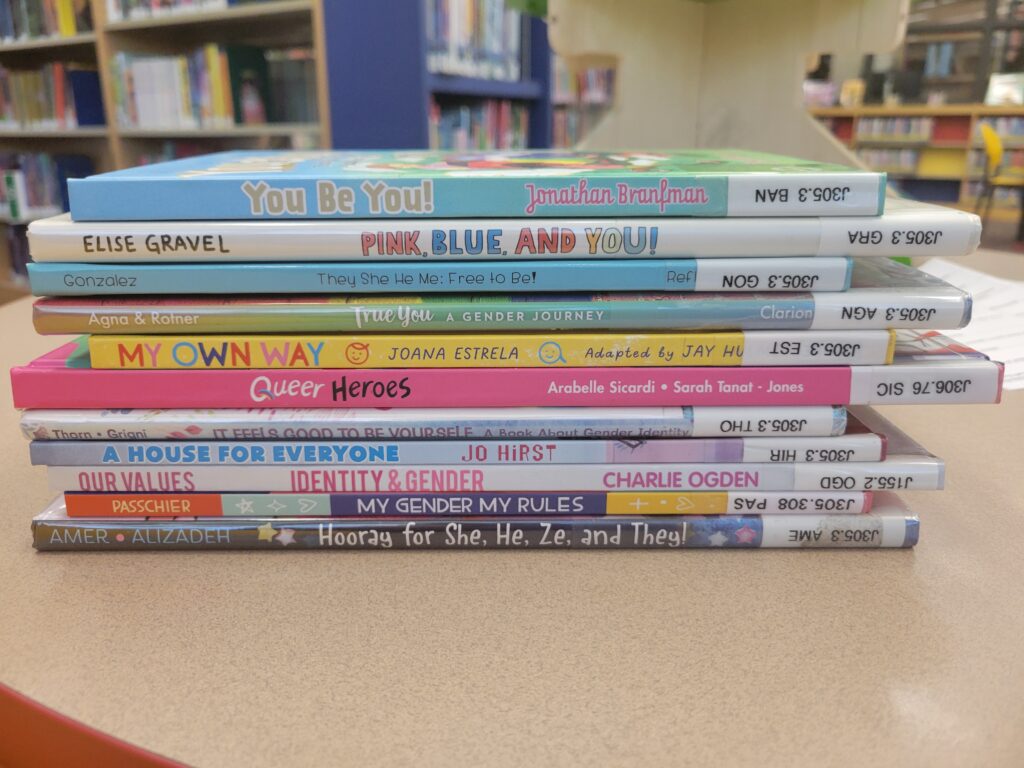
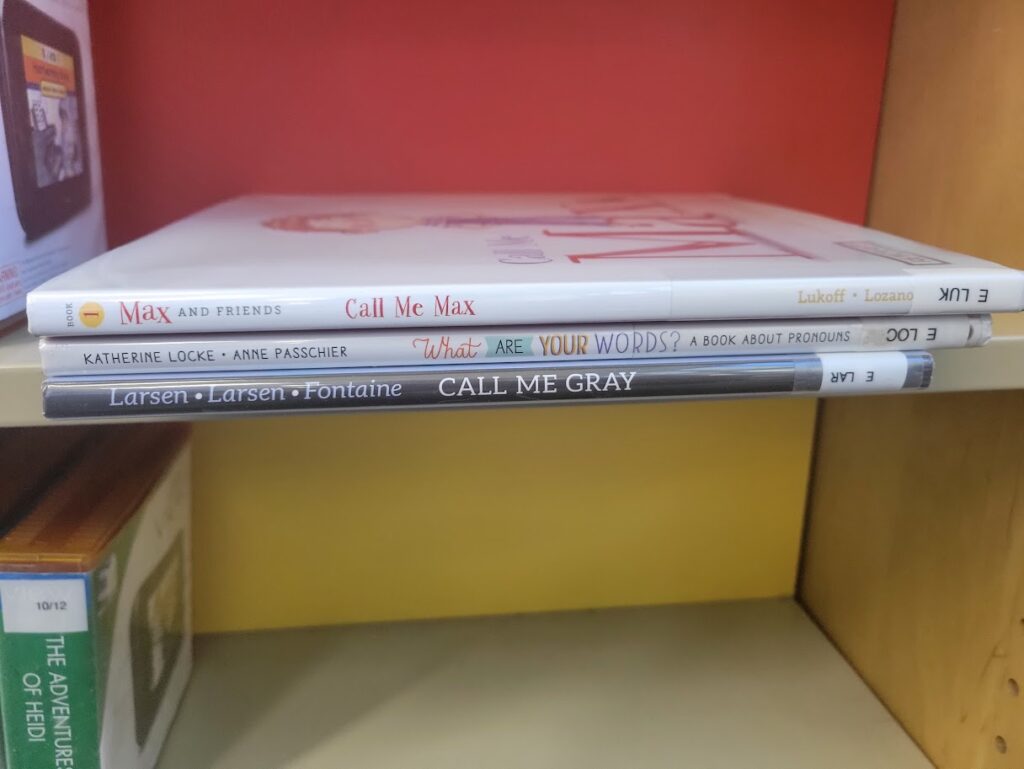
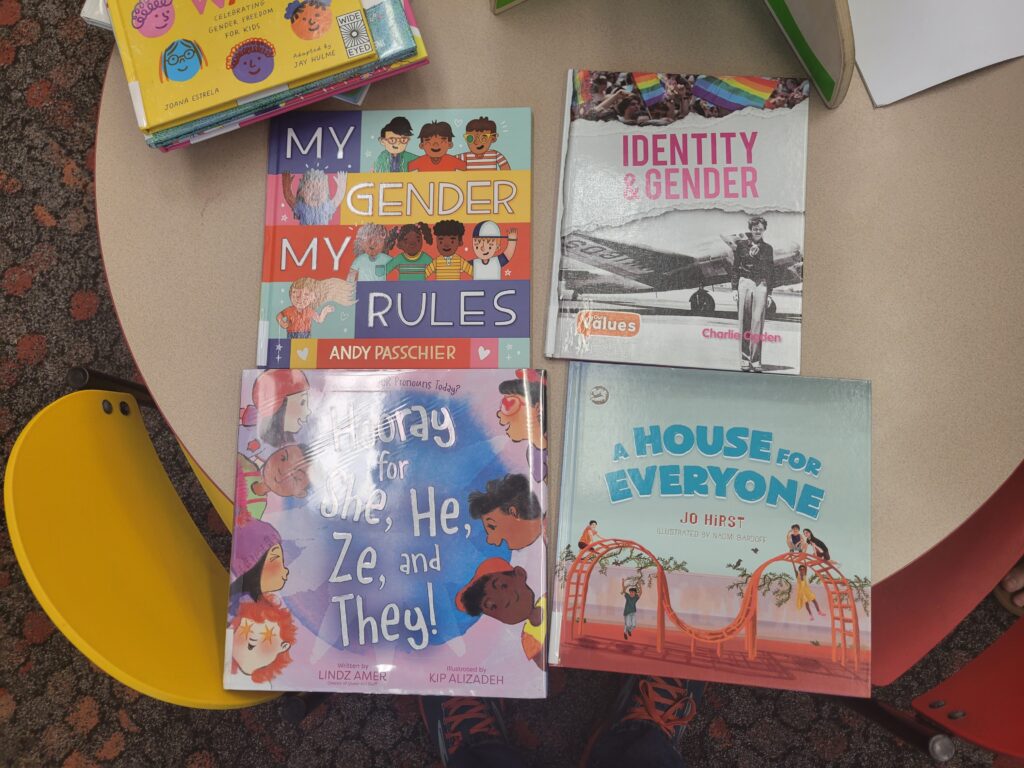
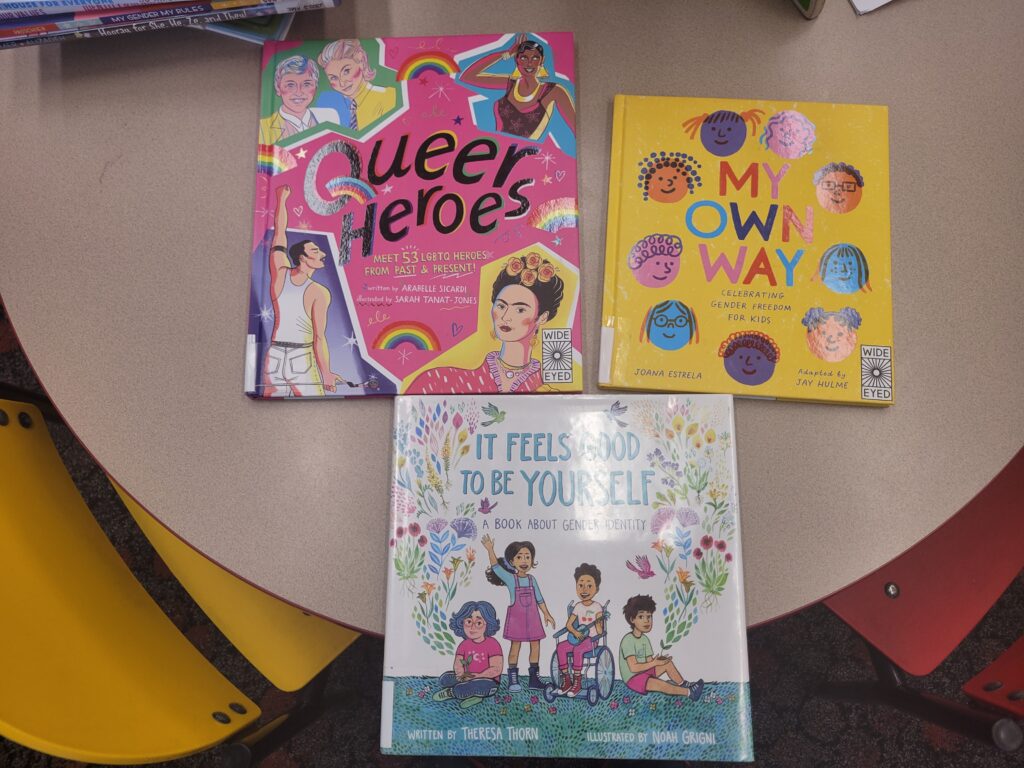
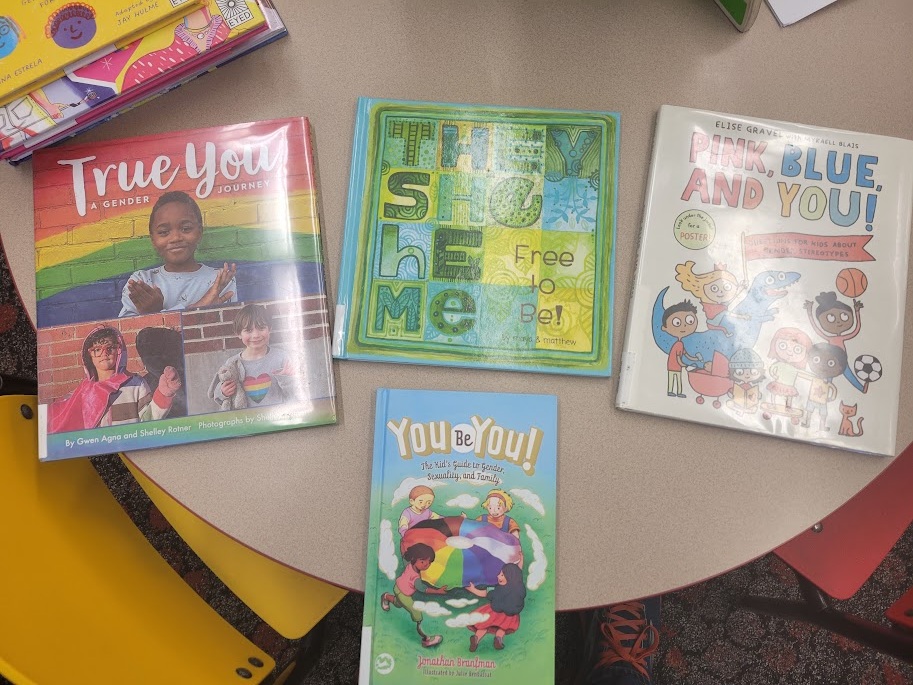
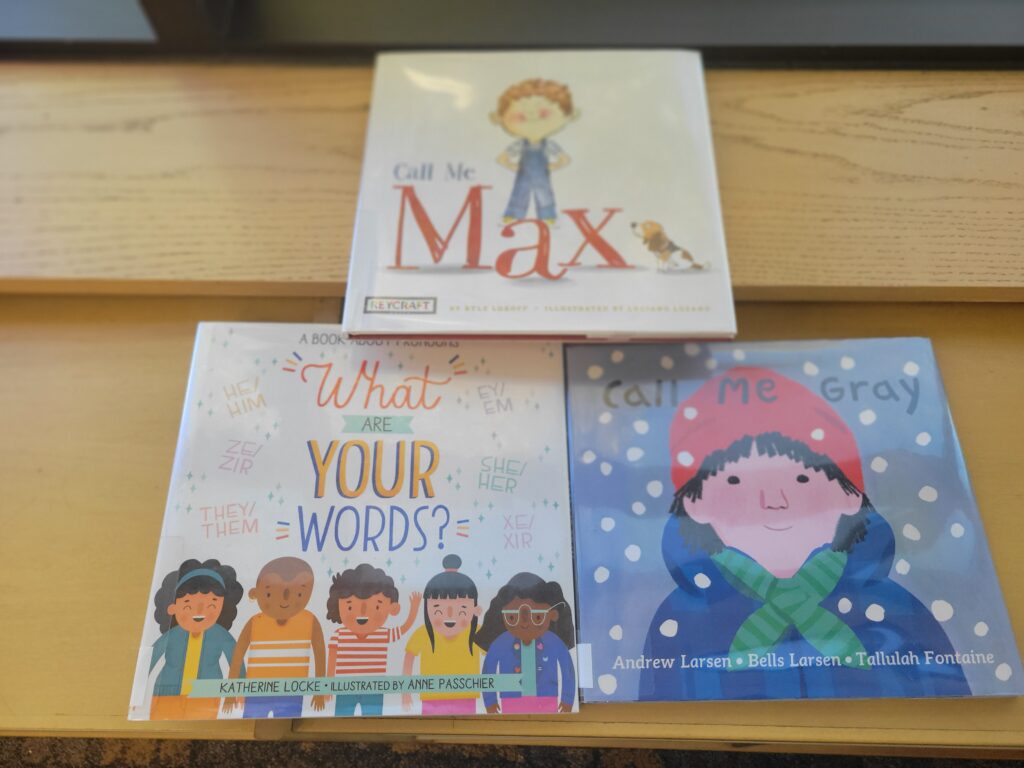
Book Titles and Descriptions
| A house for everyone: a story to help children learn about gender identity and gender expression – Jo Hirst Five children work together at school to build a house, each bringing different talents, personalities, and ways of expressing themselves. Jackson enjoys wearing dresses, Ivy prefers short hair, and Alex identifies as neither exclusively a boy nor a girl. Their friendship challenges gender stereotypes and celebrates gender diversity, self-expression, acceptance, and the freedom to be oneself. |
| Call me Gray – Andrew Larsen Each winter, a child and their father build their backyard ice rink, sharing a familiar tradition that makes an important conversation possible. The child explains feeling more like a girl than a boy and asks to be called Gray. As the father learns to understand, this picture book explores transgender identity, chosen names, family acceptance, and the emotional challenges of sharing one’s true self. |
| Call Me Max – Kyle Lukoff Max starts school and tells his teacher he wants to be called by a boy’s name. The story follows him making friends and talking with his parents about his identity. Reycraft describes it explicitly as an age-appropriate introduction to what it means to be transgender, with Max navigating school, bathrooms, and others’ assumptions about gender. |
| Hooray for She, He, Ze, and They! – Lindz Amer Everyone has pronouns, but not everyone uses the same ones. Lindz introduces children to she, he, they, ze, hir, fae, and per, inviting them to discover which words feel right. Through playful examples and colorful illustrations, this picture book celebrates transgender and nonbinary identities, self-expression, and gender affirmation. |
| Identity and gender – Charlie Ogden Identity and Gender by Charlie Ogden explores how family, culture, and personal values shape the way people understand themselves. Through accessible explanations and discussion activities, young readers examine the relationship between identity and gender, including how a person’s internal sense of gender relates to biological sex. The book introduces gender identity, sex and gender distinctions, self-understanding, and respect for individual differences. |
| It Feels Good to Be Yourself: A Book About Gender Identity – Theresa Thorn What makes someone a boy or a girl? This colorful picture book introduces children to the idea that gender identity can differ from what others expect. Through relatable examples and inviting illustrations, it explores transgender and nonbinary identities, gender expression, and how children can better understand themselves and respect others. |
| My Gender, My Rules! – Andy Passchier This children’s book introduces gender identity and gender expression. It discusses boys, girls, nonbinary identities, pronouns, clothing, hair, and other forms of expression. It presents gender as something people can define for themselves and introduces transgender and nonbinary concepts for young readers. |
| My Own Way: Celebrating Gender Freedom for Kids – Joana Estrela Boys can wear dresses, girls can climb trees, and neither needs to fit a prescribed mold. Through playful, poetic language, children are encouraged to choose their own interests, clothing, activities, and forms of expression. The book challenges traditional boy/girl expectations and celebrates freedom from gender stereotypes and conventional ideas about gender roles. |
| Pink, Blue, and You! – Elisa Gravel Why are some toys “for boys” and others “for girls”? Why are certain clothes or emotions assigned to one sex? The book challenges these familiar stereotypes while explaining sex, gender, pronouns, clothing, toys, and emotional expression. Gender identity and expression are discussed, although transgender identity itself is not the book’s primary subject. |
| Queer Heroes – Arabelle Sicardi From artists and writers to athletes and activists, 53 LGBTQ figures have challenged expectations and left their mark on history. Through vivid portraits and short biographies, readers discover stories of creativity, courage, and determination, including transgender pioneers who confronted prejudice and helped reshape public understanding of gender identity and LGBTQ rights. |
| They, She, He, Me: Free to Be! – Maya Gonzalez In a colorful celebration of individuality, children explore the words they use to express themselves and how others see them. Through playful language, illustrations, and examples of different pronouns, this picture book challenges assumptions about gender, encouraging young readers to embrace diverse gender identities, expressions, and ways of understanding themselves. |
| True You: A Gender Journey – Gwen Agna & Shelley Rotner Photographs and children’s own words explore the many ways young people understand gender. Children describe themselves as girls, boys, both, neither, or uncertain, while discussing clothing, interests, appearance, and other forms of expression. Transgender and gender-nonconforming children are explicitly represented, making gender identity the central subject rather than a passing theme. |
| What Are Your Words?: A Book About Pronouns – Katherine Locke & Anne Passchier Ari is figuring out which pronouns fit them, sometimes using she/her and other days he/him. Alongside Uncle Lior, Ari meets people using she/her, he/him, they/them, ey/em, and ze/zir. The publisher calls it an introduction to gender-inclusive pronouns and describes Ari experimenting with different pronouns while exploring identity. |
| You Be You!: The Kid’s Guide to Gender, Sexuality, and Family – Jonathan Robert Branfman An illustrated guide introduces children to a wide vocabulary surrounding gender, sexuality, and family. Alongside transgender, nonbinary, genderqueer, gender-fluid, and cisgender identities, it discusses assigned sex, intersex people, bisexuality, asexuality, aromanticism, and pansexuality. Stereotypes, discrimination, privilege, and allyship are also explained as children explore LGBTQ+ identities and relationships. |